
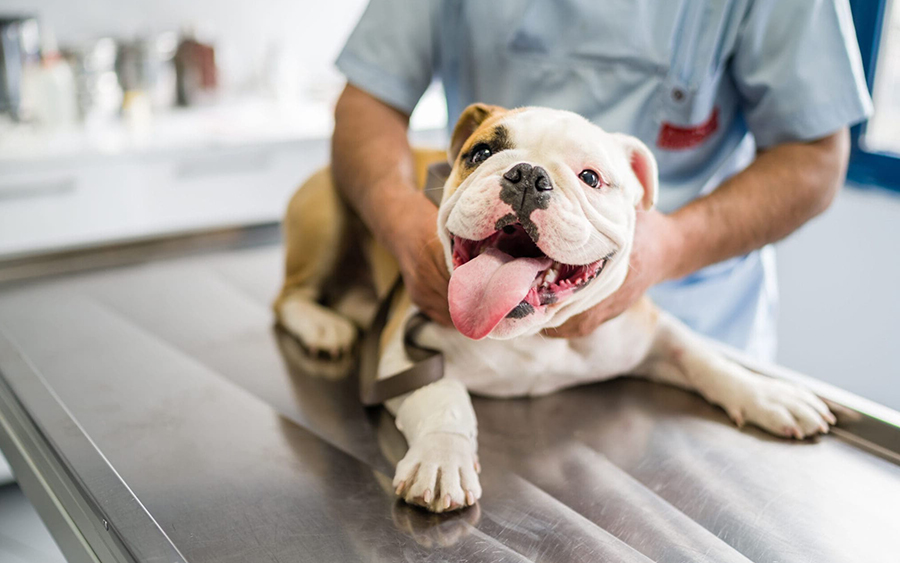
A few extra pounds may not seem significant, especially on a pet who otherwise appears happy and healthy. However, excess weight can put additional strain on the body and contribute to health concerns that affect mobility, comfort, and quality of life.
The good news is that small, consistent changes can make a meaningful difference. Understanding your pet’s ideal weight and working with your veterinary team can help support their health throughout every stage of life.
Why a Healthy Weight Matters for Pets
Pet obesity occurs when a pet consistently takes in more calories than their body uses, resulting in excess body fat. Several factors can contribute, including portion sizes, treats, activity level, age, and genetics.
Maintaining a healthy weight is about much more than appearance. Excess weight may increase a pet’s risk of health concerns such as:
- Diabetes
- Arthritis and joint problems
- Heart disease
- Certain types of cancer
Carrying extra weight can also make everyday activities more difficult. A pet may become less interested in playing, tire more quickly on walks, or have difficulty jumping, climbing stairs, or getting comfortable.
How Can You Tell if Your Pet Is Overweight?
It isn’t always easy to recognize gradual weight gain, especially when you see your pet every day. That’s one reason routine veterinary visits are so important.
Some changes you may notice at home include:
- Difficulty feeling your pet’s ribs beneath a layer of fat
- Less definition around their waist when viewed from above
- Decreased interest in exercise or play
- Difficulty getting up, jumping, or using stairs
- Becoming tired more quickly during normal activities
These signs don’t necessarily mean your pet is overweight. Changes in activity or mobility can also be associated with other health conditions, so it’s important to discuss them with your veterinarian rather than making changes to your pet’s diet on your own.
Portion Sizes Can Make a Difference
Feeding appropriate portions is an important part of maintaining a healthy weight. It’s easy to unintentionally provide more food than your pet needs, particularly when portions are estimated rather than measured.
Your pet’s nutritional needs depend on several factors, including their age, size, activity level, and overall health. Feeding guidelines on pet food packaging can provide a starting point, but they may not reflect your individual pet’s needs.
Your veterinary team can help determine an appropriate daily amount and recommend adjustments when necessary.
Don’t Forget About Treats
Treats may be small, but the calories can add up quickly throughout the day.
Consider how treats, table scraps, dental chews, and other extras fit into your pet’s overall diet. If multiple family members give treats, make sure everyone knows how much your pet receives throughout the day.
Your veterinarian can also help you identify appropriate treat options and portion sizes for your pet.
Make Activity Part of Their Routine
Regular physical activity can help pets maintain a healthy weight while also providing enrichment and opportunities to spend time with their families.
For dogs, activity might include walks, games of fetch, or interactive play. Cats may enjoy wand toys, climbing structures, puzzle feeders, or short play sessions throughout the day.
The right amount and type of activity vary from pet to pet. Age, breed, mobility, and existing health conditions should all be considered. Before significantly changing your pet’s exercise routine, talk with your veterinarian about what’s appropriate for them.
Weight Management Isn’t One-Size-Fits-All
If your pet needs to lose weight, simply feeding less isn’t always the best approach.
A veterinarian can evaluate your pet’s current weight and overall health and help determine whether there may be other factors contributing to weight gain. From there, your veterinary team can recommend a plan based on your pet’s individual needs.
A weight management plan may include changes to portion sizes, food choices, treats, activity, or feeding routines. Regular weight checks can also help your veterinary team monitor progress and make adjustments along the way.
Healthy weight loss should be gradual and guided by your veterinarian.
Routine Wellness Visits Help Keep Weight on Track
Because weight changes often happen slowly, routine wellness visits provide an important opportunity to monitor trends over time.
During your pet’s visit, your veterinary team can assess their weight and body condition, discuss nutrition and activity, and identify changes that may need attention. These conversations are valuable even if your pet isn’t currently overweight.
Your pet’s needs can change as they age, so a diet or feeding routine that worked well several years ago may need to be adjusted over time.
Support a Healthier Life at Every Stage
Pet Obesity Awareness Month is a helpful reminder to look beyond the number on the scale and think about how your pet’s weight may be affecting their everyday health and comfort.
Maintaining a healthy weight can support mobility, activity, and overall well-being. Whether you’re concerned about a recent change or simply want to make sure your pet is on the right track, your veterinary team can help.
Have questions about your pet’s weight, nutrition, or activity level? Schedule a wellness exam with our veterinary team to discuss a plan that’s right for your pet.